Agellus Robotics
Robotic inspection system development

My work at Agellus extended across three summer terms and several stages of robotic inspection-system development. I contributed to mechanical design and fabrication, then supported the integration and testing needed to bring the hardware, sensors, computing, and operator controls together. The platform progressed into commercial inspection work during that broader development effort.
Responsibilities across three summers
As a robotics intern and CAD designer, I created and revised mechanical components, built prototypes, and assisted with fabrication and assembly. I stayed involved as parts were installed and tested, using the results to make changes to the hardware.
The work was not confined to individual parts. A change to a mount or mechanical assembly could affect sensor placement, connector access, cable routing, or the operator’s ability to use the equipment. I helped work through those interactions as the inspection system came together.
The inspection platform and its constraints
The platform combined ultrasonic probes, sonar, cameras, inertial sensors, wheel encoders, mechanical scanning hardware, onboard computers, and an Ethernet network. It had to pass through a tank access opening, travel across steel surfaces, position the inspection hardware consistently, and return data to the operator.
Those requirements shaped the mechanical layout. The scanning hardware needed room to move, sensors needed suitable positions, and cabling could not prevent assembly or interfere with motion. Equipment also had to remain accessible for maintenance. My work supported the integration of these systems; the complete platform was a team effort.
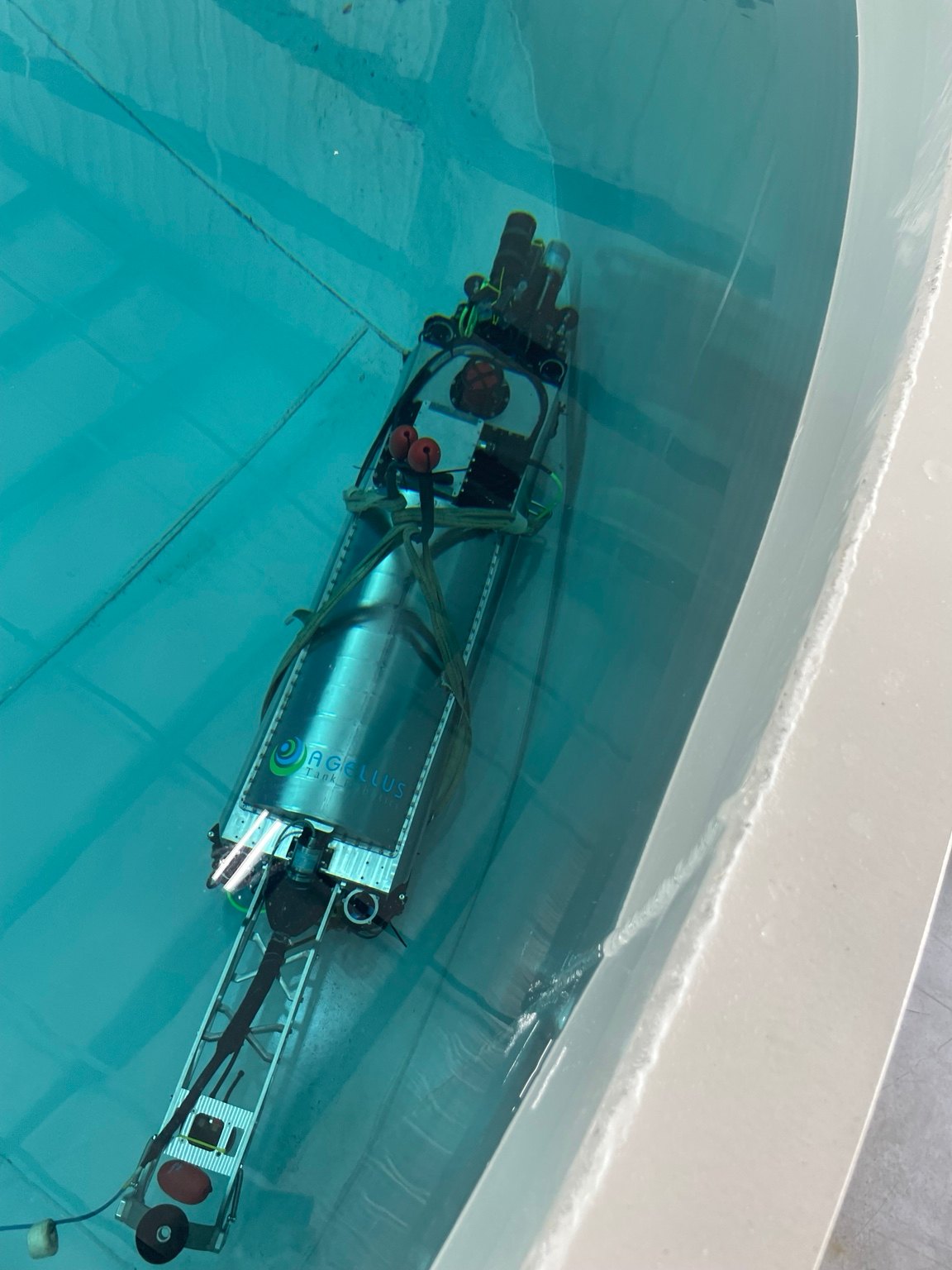
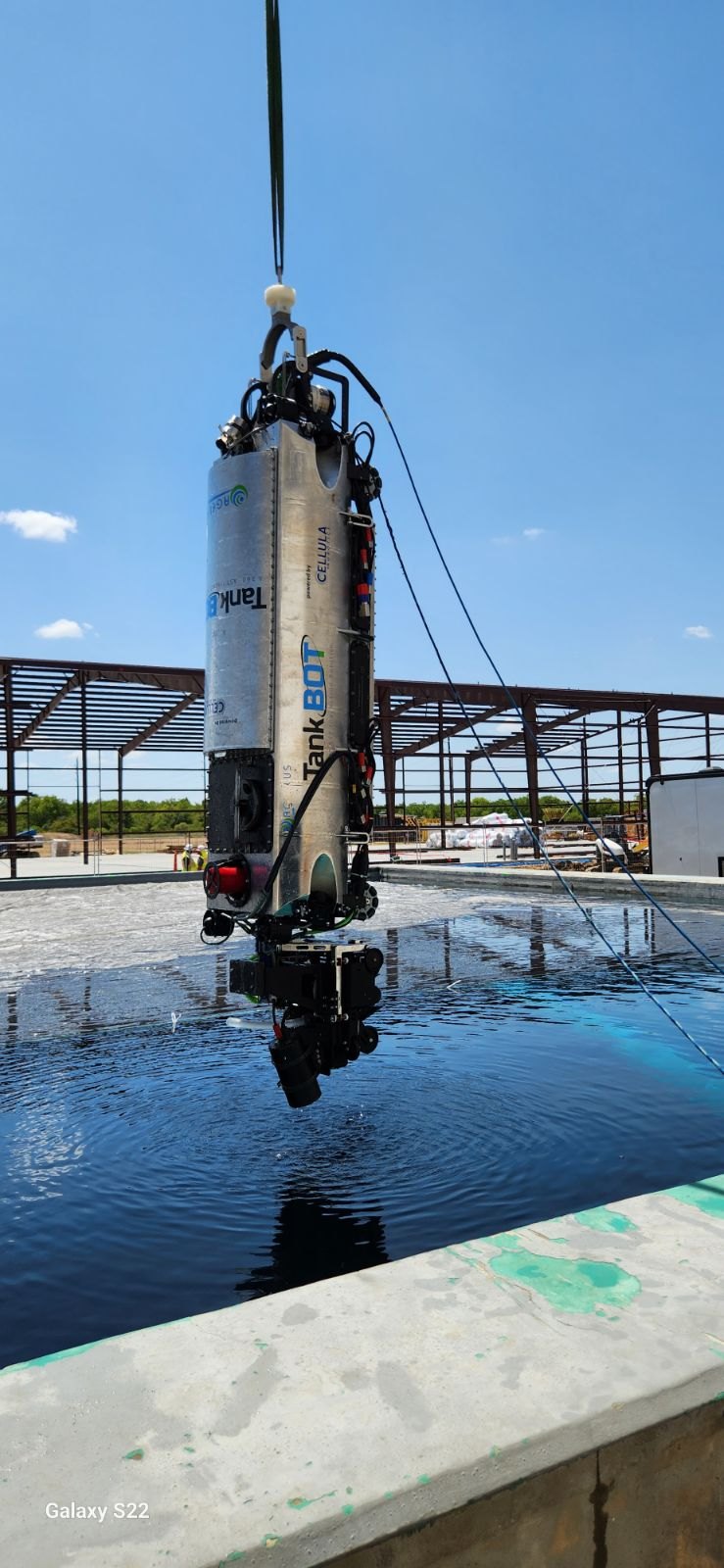
Mechanical design and system integration
I developed CAD models and prototypes with attention to how the components would be manufactured, assembled, and serviced. Once a part was fitted to the robot, I checked its relationship to the surrounding hardware and revised it when testing or field feedback exposed a problem.
During integration, I worked through issues involving scan-head movement, sensor placement, cable and connector access, and mechanical clearances. The physical arrangement also had to support onboard computing and data collection. This gave me experience connecting mechanical decisions to the needs of the rest of the system.
Testing, troubleshooting, and field feedback
I helped investigate problems that appeared when the mechanical, electrical, and software elements operated together. These were not always visible during a part-level fit check, so testing the assembled platform was an important part of the development process.
I used observations from testing and feedback from field use to revise components and improve how they were integrated. The work included resolving practical issues with operation and maintenance as the platform moved into commercial inspection service.
Technical demonstrations and communication
I presented technical progress and demonstrated the system to engineering and executive audiences. That involved explaining the inspection workflow, the purpose of the major components, and how the hardware and sensing systems worked together.
These discussions required a different level of detail from a design review in the workshop. I needed to connect the equipment’s technical features to the inspection task while being clear about my contribution within the larger development team.